
Difference Between E5 and E15: Key Features and Comparisons
By:Admin
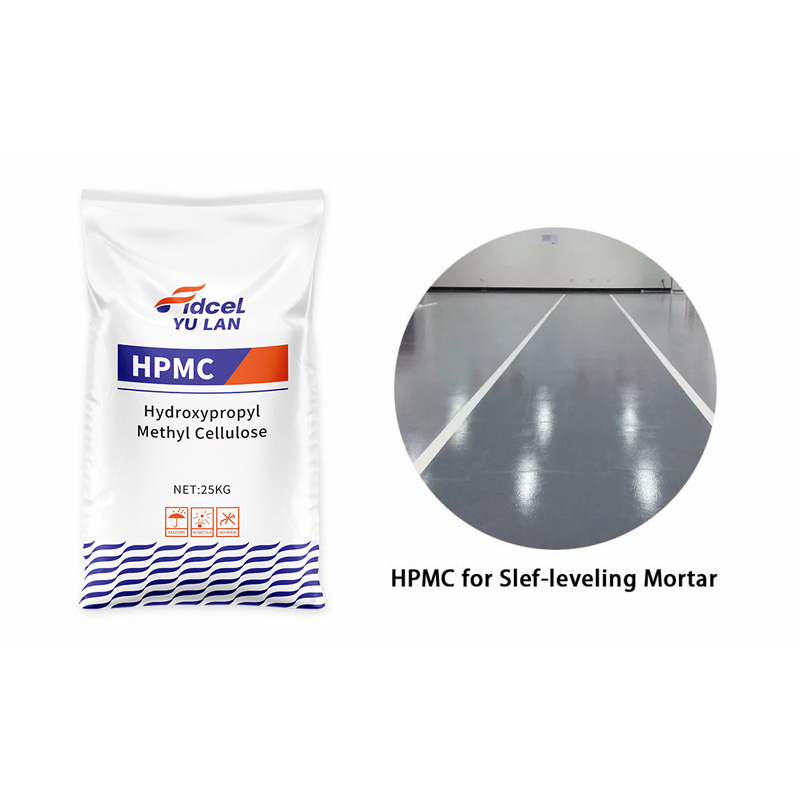
---
**Understanding the Differences Between HPMC E5 and E15: A Comprehensive Overview**
Hydroxypropyl methylcellulose (HPMC) is a widely used excipient in the pharmaceutical, food, and construction industries due to its excellent film-forming, thickening, and stabilizing properties. Among the various grades of HPMC available, E5 and E15 are two common variants, each offering unique characteristics that can influence their application performance. This article sheds light on the differences between HPMC E5 and E15, helping end-users make informed choices tailored to their specific needs.
### What is Hydroxypropyl Methylcellulose (HPMC)?
HPMC is a semi-synthetic, inert, viscoelastic polymer derived from cellulose, which is the main structural component of plants. It is processed chemically to introduce hydroxypropyl and methyl groups, enhancing its solubility and functionality. HPMC’s versatility stems from its ability to modify viscosity, adhesion, water retention, and gelling properties, which makes it invaluable in tablet coatings, capsule shells, adhesives, cement, and many other products.
### Differentiating HPMC E5 and HPMC E15: Key Factors
The primary distinction between HPMC E5 and E15 lies in their viscosity grades, which directly impacts their performance in formulations.
#### 1. **Viscosity**
- **HPMC E5** generally has a viscosity in the range of 4,000 to 6,000 mPa·s (millipascal-seconds) when measured as a 2% aqueous solution at 20°C.
- **HPMC E15** has a significantly higher viscosity, around 13,000 to 17,000 mPa·s under the same conditions.
Viscosity reflects the polymer’s thickening ability in solution. Lower viscosity grades like E5 are thinner and easier to handle in processes that require fluidity, whereas higher viscosity grades like E15 produce thicker solutions and stronger gels.
#### 2. **Applications**
The difference in viscosity makes these two grades suitable for distinct applications:
- **HPMC E5** is preferred where moderate thickening and smooth film-forming are required. It is commonly used in:
- Pharmaceutical tablets for controlled drug release.
- Food products such as emulsifiers and stabilizers.
- Adhesive formulations needing elasticity without excessive thickness.
- **HPMC E15** is applied where higher viscosity is advantageous, including:
- Cement and tile adhesives for enhanced water retention and workability.
- Thickening agents in paints and coatings to improve consistency and spreadability.
- Controlled-release dosage forms where longer gel formation is beneficial.
#### 3. **Solubility and Gelation**
Both grades dissolve readily in cold water, forming clear, viscous solutions. However, the gelation temperature and strength can vary slightly:
- **HPMC E5** tends to form less viscous gels that hydrate faster.
- **HPMC E15** forms stronger, more robust gels that can improve the mechanical strength of coatings and adhesives.
This property is particularly critical in pharmaceutical and construction materials where the integrity of the gel layer determines performance.
### Chemistry and Production Differences
While the chemical backbone of HPMC remains the same, the degree of substitution and molecular weight influence the viscosity:
- HPMC E5 generally has a lower molecular weight and a lower degree of substitution.
- HPMC E15 has a higher molecular weight and substitution degree, accounting for increased solution viscosity and gel strength.
### Selecting the Right HPMC Grade: What Should You Consider?
Choosing between HPMC E5 and E15 should be guided by the specific requirements of the end application. Some factors to consider include:
- **Desired Viscosity:** For formulations requiring thinner consistency and easier mixing, HPMC E5 is optimal. For thicker, more adhesive or gel-like materials, HPMC E15 is preferred.
- **Processing Conditions:** The ease of dissolution, hydration speed, and compatibility with other ingredients may affect grade choice.
- **Final Product Performance:** Whether the product demands quick setting or prolonged gel strength, or specific mechanical properties.
- **Cost Efficiency:** Higher viscosity grades typically cost more due to increased raw material usage and processing complexity.
### Industry Insights and Trends
As industries innovate, HPMC grades like E5 and E15 continue to evolve with improved purity, consistency, and functional performance. Advancements in production technology have enhanced control over viscosity grades, allowing manufacturers to tailor products that meet rigorous regulatory standards and application demands.
### About [Company Introduction Placeholder]
[Insert Company Name] is a leading supplier and manufacturer of specialty chemical products including a comprehensive range of HPMC grades tailored to diverse industry needs. With a commitment to quality, innovation, and customer satisfaction, the company supports pharmaceutical, food, and construction industries worldwide by delivering high-performance polymers designed to optimize product functionality and processing efficiency.
The company's state-of-the-art production facilities and stringent quality control mechanisms ensure that each batch of HPMC meets international standards. Beyond supply, [Insert Company Name] offers technical support and formulation expertise, collaborating closely with partners to develop customized solutions that address unique challenges.
### Conclusion
Understanding the difference between HPMC E5 and E15 is crucial for manufacturers and formulators seeking to optimize product performance. The significant variance in viscosity and gelation behavior determines their suitability across a broad spectrum of applications, from pharmaceuticals and food products to construction materials and adhesives.
By aligning the selection of HPMC grade with specific formulation goals, producers can achieve desired consistency, durability, and efficiency, ultimately leading to better product performance and customer satisfaction.
For more detailed technical data and assistance in selecting the appropriate HPMC grade for your application, contact [Insert Company Name]’s expert team today.
---
If you provide the specific company introduction, I can integrate it seamlessly as well. Let me know if any additional details or a particular tone is required!