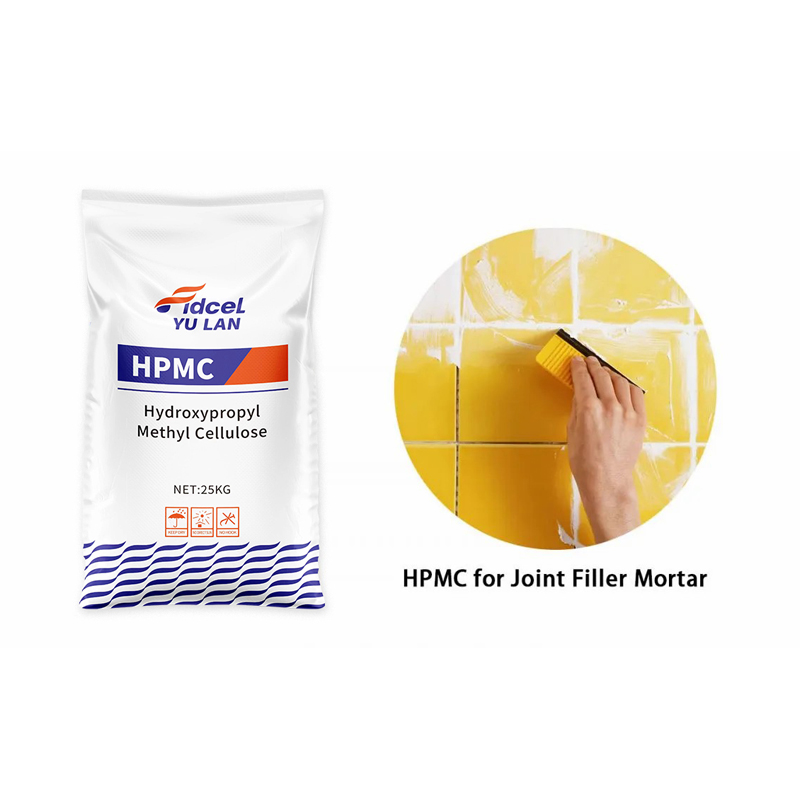
Hpmc, also known as hydroxypropyl methylcellulose, is a critical ingredient in the pharmaceutical, food, and construction industries. It is a non-ionic cellulose ether that is widely used as a thickening and emulsifying agent, as well as a film-forming material. The molecular weight of Hpmc plays a crucial role in determining its properties and applications. In recent times, there has been increasing interest in the development of Hpmc with specific molecular weight ranges to cater to different industry needs.The molecular weight of Hpmc is a measure of the average sum of the atomic weights of the atoms in a molecule of Hpmc. Different molecular weight grades of Hpmc are available, each with unique characteristics and applications. Generally, the lower the molecular weight, the better the dispersibility, flowability, and solubility of Hpmc. On the other hand, higher molecular weight Hpmc grades typically offer better film-forming and binding properties. Therefore, the selection of the appropriate molecular weight of Hpmc is crucial for achieving the desired performance in various applications.In the pharmaceutical industry, Hpmc with specific molecular weight ranges is used as an excipient in oral and topical drug formulations. It acts as a viscosity-enhancing agent, a gelling agent, and a sustained-release matrix former in controlled-release drug delivery systems. The molecular weight of Hpmc influences the drug release profile and overall performance of the pharmaceutical formulation. Therefore, pharmaceutical companies often require Hpmc with tailored molecular weight ranges to meet their specific formulation needs.In the food industry, Hpmc with specific molecular weight ranges is used as a food additive for its thickening, emulsifying, and stabilizing properties. It is commonly found in food products such as sauces, dressings, and bakery items. The molecular weight of Hpmc affects its ability to form gels and stabilize emulsions in food products. As a result, food manufacturers seek Hpmc with precise molecular weight specifications to ensure the desired texture and stability of their products.In the construction industry, Hpmc with specific molecular weight ranges is used as a water-retaining agent, a thickening agent, and a rheology modifier in cement-based mortars, plasters, and tile adhesives. The molecular weight of Hpmc influences its ability to control the flow and workability of construction materials, as well as its water retention capacity. Thus, construction companies require Hpmc with customized molecular weight ranges to achieve the desired performance and durability of their building materials.As a leading manufacturer of Hpmc, {} is committed to meeting the diverse needs of its customers by offering a wide range of Hpmc grades with tailored molecular weight specifications. With state-of-the-art production facilities and advanced research capabilities, {} has the expertise to develop custom Hpmc formulations that precisely match the molecular weight requirements of various industries. By collaborating closely with its customers, {} strives to deliver Hpmc products that ensure optimal performance and functionality in pharmaceutical, food, and construction applications.In conclusion, the molecular weight of Hpmc is a crucial factor in determining its properties and applications in different industries. With the rising demand for Hpmc with specific molecular weight ranges, {} is at the forefront of developing customized Hpmc formulations to cater to the evolving needs of its customers. By leveraging its technical expertise and customer-centric approach, {} aims to provide Hpmc solutions that enable its customers to achieve excellence in their products and formulations.
Read More