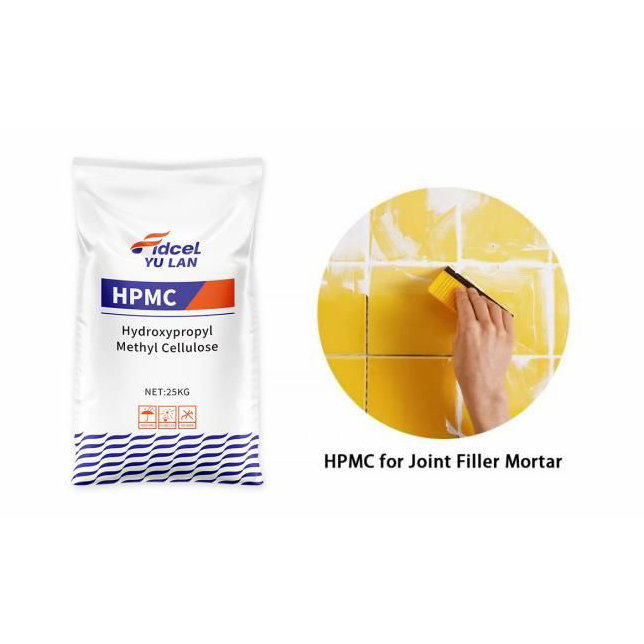
The glass transition temperature of Hydroxypropyl Methylcellulose (HPMC) has been a topic of interest in the pharmaceutical and food industries. HPMC is a semisynthetic, inert, viscoelastic polymer that is widely used in these industries due to its ability to serve as a thickening agent, stabilizer, and film former. The glass transition temperature of HPMC is an important parameter that affects its physical and mechanical properties, and understanding this temperature can help in the formulation and processing of HPMC-based products.The glass transition temperature of HPMC is the temperature at which the polymer changes from a hard, glassy state to a rubbery, amorphous state. This transition temperature is crucial in determining the storage and handling conditions of HPMC-based products. Below the glass transition temperature, HPMC is hard and brittle, making it unsuitable for processing and use. Above the glass transition temperature, HPMC becomes soft and rubbery, which can affect the structural stability and performance of the final product.The glass transition temperature of HPMC is influenced by various factors, including the degree of substitution, molecular weight, and plasticizer content. These factors can be manipulated during the production and formulation of HPMC-based products to achieve the desired glass transition temperature and mechanical properties.In the pharmaceutical industry, the glass transition temperature of HPMC is a critical parameter in the development of oral solid dosage forms, such as tablets and capsules. HPMC is commonly used as a binder and disintegrant in these dosage forms, and its glass transition temperature can affect the dissolution and drug release characteristics of the final product. By understanding and controlling the glass transition temperature of HPMC, pharmaceutical companies can optimize the formulation and performance of their products.In the food industry, the glass transition temperature of HPMC is important in the production of edible films and coatings. HPMC-based films are used to protect and preserve food products, and their mechanical properties are influenced by the glass transition temperature of the polymer. By manipulating the formulation and processing conditions, food manufacturers can tailor the glass transition temperature of HPMC to achieve the desired barrier properties and shelf life of their products.{Company}, a leading manufacturer and supplier of HPMC, is at the forefront of research and development in this field. With state-of-the-art facilities and a team of experienced scientists and engineers, {Company} is dedicated to understanding and optimizing the glass transition temperature of HPMC for various industrial applications. The company's in-depth knowledge of polymer science and engineering allows them to offer tailored solutions to their customers, helping them achieve the desired performance and functionality of their products.{Company} offers a wide range of HPMC products with different glass transition temperatures, allowing customers to choose the most suitable grade for their specific applications. The company also provides technical support and expertise to assist customers in formulating and processing HPMC-based products. By partnering with {Company}, customers can benefit from the latest advancements in HPMC technology and ensure the success of their projects.In conclusion, the glass transition temperature of HPMC plays a crucial role in determining its physical and mechanical properties, and understanding this parameter is essential for the formulation and processing of HPMC-based products. With its expertise and resources, {Company} is well-positioned to address the industry's growing demand for HPMC with tailored glass transition temperatures, further solidifying its position as a leading provider in the field.
Read More