
- Home
- News
- HPMC for Powder Coating, Wall Putty, and Plaster – Hydroxypropyl Methyl Cellulose Benefits
HPMC for Powder Coating, Wall Putty, and Plaster – Hydroxypropyl Methyl Cellulose Benefits
By:Admin
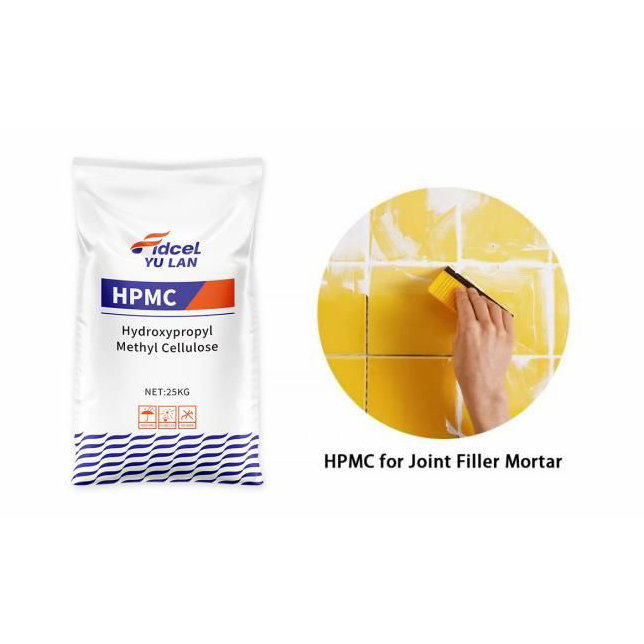
Hydroxypropyl Methyl Cellulose (HPMC), a versatile cellulose ether derivative, continues to play a pivotal role in advancing material technology across various industries. Renowned for its excellent thickening, film-forming, and binding properties, HPMC has become a critical additive in powder coating and construction materials such as wall putty and plaster. This article explores the significant benefits of HPMC in these applications and highlights how its incorporation is shaping product performance and industry standards.
### HPMC in Powder Coating: Enhancing Performance and Durability
Powder coating is a dry finishing process used widely in automotive, appliance, and furniture industries due to its eco-friendly nature and superior finish quality. The inclusion of HPMC in powder coating formulations has shown to be a game changer, improving product characteristics significantly.
HPMC acts as a rheology modifier, stabilizer, and film former in powder coatings. Its water solubility and excellent adhesive qualities help to achieve uniform powder dispersion and better coating consistency. When formulated into powder coatings, HPMC enhances flow and leveling properties, ensuring a smooth, uniform finish without defects such as orange peel or pinholes.
Moreover, HPMC contributes to the coating’s adhesion on various substrates, including metal and plastic surfaces, which is vital for improving the durability and longevity of the coating. This additive also plays a crucial role in controlling the release of volatile compounds during curing, thereby minimizing defects and enhancing surface appearance.
### Role of HPMC in Wall Putty and Plaster: Strengthening Construction Materials
In construction, wall putty and plaster materials require additives that enhance workability, binding strength, and water retention to ensure better application and long-term performance. HPMC is widely recognized for providing exactly these benefits without compromising the material’s structural integrity.
In wall putty and plaster formulations, HPMC acts as a water retention agent, significantly reducing the water evaporation rate during application. This characteristic results in better hydration of cementitious materials, leading to improved curing and increased surface strength. A well-cured plaster or putty surface is less prone to cracking, peeling, or blistering which commonly affect wall finishes.
Furthermore, HPMC enhances the adhesion of putty to wall surfaces and increases its flexibility, providing resistance against shrinkage and mechanical stress. This results in a smooth, uniform finish that lasts longer and maintains its aesthetic appeal in diverse environmental conditions.
### Environmental and Economic Benefits
The use of HPMC aligns with the growing demand for environmentally sustainable construction and coating materials. Being a cellulose-based, biodegradable compound, it minimizes the environmental impact compared to synthetic additives. Additionally, HPMC’s efficiency in improving material properties helps reduce waste, lower energy consumption in application and curing processes, and extend the service life of end products, yielding economic benefits for manufacturers and consumers alike.
### Company Introduction
At the forefront of supplying high-quality Hydroxypropyl Methyl Cellulose is [Company Name], a global leader dedicated to innovation in chemical additives that cater to various industries, including construction, coatings, pharmaceuticals, and food. With state-of-the-art manufacturing facilities and stringent quality control processes, [Company Name] ensures that every batch of HPMC meets rigorous standards for purity, consistency, and performance.
Committed to research and development, [Company Name] continually enhances the properties of HPMC to fulfill evolving industrial needs. Their expert technical team works closely with clients to tailor formulations that optimize application efficiency and end-product performance. By integrating cutting-edge technology with sustainable practices, [Company Name] supports its customers in achieving superior results while minimizing environmental footprint.
### The Future of HPMC in Industry
As market demands evolve, the role of multifunctional additives like HPMC will become increasingly significant. Innovations in powder coating and construction materials will likely lean towards higher performance blends incorporating bio-based and biodegradable components. HPMC’s unique chemical structure and adaptability position it as a cornerstone ingredient in this transformation.
Research continues to unlock new potentials for HPMC, including improved formulations for faster setting times, enhanced resistance to environmental factors such as humidity and temperature fluctuations, and compatibility with emerging green technologies.
### Conclusion
Hydroxypropyl Methyl Cellulose (HPMC) stands out as an indispensable ingredient in powder coatings and wall putty/plaster applications, delivering enhanced product performance, durability, and environmental advantages. Its multifunctionality supports deeper innovation and sustainability across industries, addressing both technical challenges and market expectations.
By leveraging HPMC’s properties, manufacturers can advance their offerings, ensuring longer-lasting finishes, stronger construction materials, and eco-friendlier production processes. As supported by [Company Name]’s commitment to quality and innovation, the future of HPMC in industrial applications promises substantial growth and continued impact in shaping high-performance, sustainable solutions for modern construction and coating needs.